
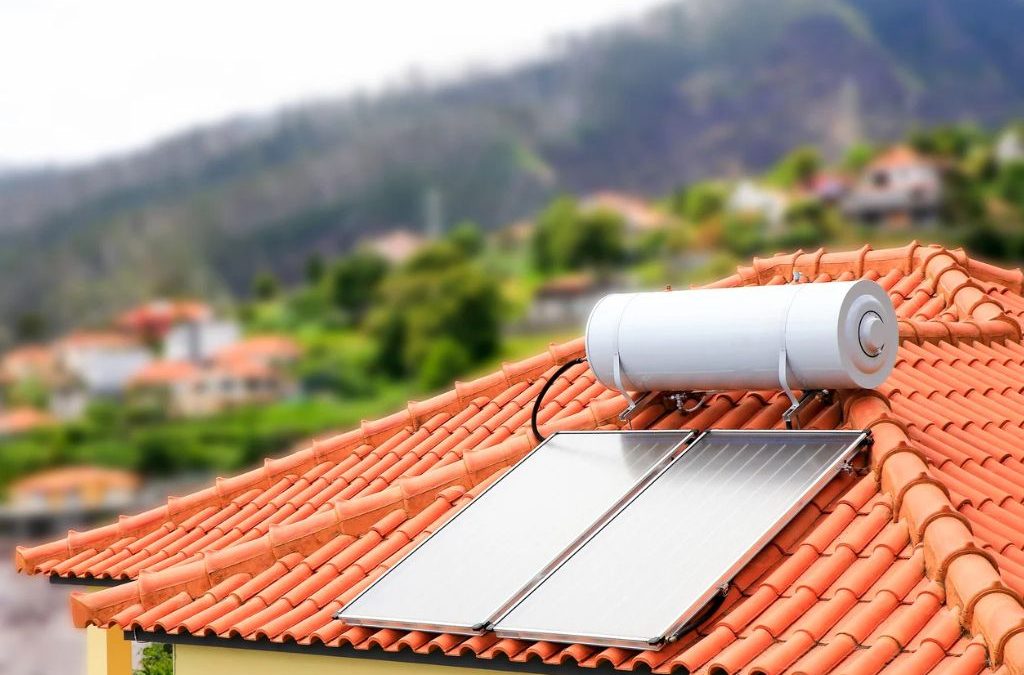
Solar hot water system leaking on roof? It’s an alarming issue – and you’re right to be pretty worried about it. If you’re only catching the problem now, that doesn’t mean it’s only just started – because roof-mounted solar systems tend to hide problems far longer than ground-level units. That means that by the time water shows up somewhere inside the house, plenty of damage has usually already been done.
Take a leaking solar hot water system seriously
Solar hot water systems have become extremely common all across Brisbane and beyond, thanks to our amazing sunny climate. Problems, however, are also common due to:
- Heat
- UV exposure
- Storms
- Roof movement.
And those problems very often materialise in the form of leaks. Luckily, though, those leaks tend to follow predictable patterns – and understanding those patterns helps you act early. And why is acting early so important? Because you might just stop your ceilings, insulation or timber framing from being badly affected.
We’ve put together the most common roof-level leak causes we see in Brisbane homes:
1. Pipe connections expanding & contracting
Did you know solar collectors operate at far higher temperatures than standard hot water systems? Every day, your pipes:
- Heat up
- Expand
- Cool down
- Contract again.
Over enough time, this movement loosens compression fittings and threaded joints near the collectors. And it’s one of the most common reasons a solar hot water system leaking starts slowly and worsens over months rather than appearing suddenly.
Remember: The leak may only occur during peak heating hours, making it harder to spot early.
2. Roof penetration flashing failure
Every solar hot water installation requires pipes to penetrate the roof. Those penetrations are sealed with all-important flashing designed to move slightly while staying watertight. But in Brisbane’s barrage of sun and storms, flashing materials:
- Crack
- Lift
- Separate from roofing sheets or tiles.
And when flashing fails, water can easily enter even if the plumbing itself is intact. Homeowners tend to believe the panels themselves are leaking, when in reality, rainwater is tracking down pipe penetrations.
3. UV-damaged insulation hiding active leaks
The foam insulation around your system’s solar pipework is absolutely critical. It protects pipes from heat loss and shields fittings from direct sun. In Brisbane, UV exposure breaks this insulation down faster than many people realise – certainly faster than in plenty of states other than sunny Queensland.
Once that insulation splits or disintegrates, small leaks can spray or weep beneath it, without you necessarily even noticing. But by the time water does become visible, the underlying issue has often been active for a long time – the damage is done.
4. Pressure relief discharge misdirected onto the roof
All solar systems include pressure and temperature relief valves. When the conditions are right, these valves release hot water as a safety measure. But if discharge pipework is incorrectly routed – or damaged – the released water can simply spill onto the roof surfaces.
This is frequently mistaken for a solar hot water service leaking – when in reality, the issue is poor compliance or deteriorated discharge plumbing rather than a fault inside the system.
5. Circulation pump or valve failures in split systems
Many Brisbane homes use split solar systems with ground-level tanks and roof collectors. These layouts rely on circulation pumps and non-return valves to move water between components.
When these parts fail or partially seize, pressure can build in unexpected areas – and it can lead to problems quite quickly. The pressure usually finds the weakest point first – a roof-level joint or valve, normally – resulting in intermittent leaks that are difficult to trace without experience.
6. Storm movement & roof shift after heavy weather
We all know that Brisbane storms are wet – very wet! But the high wind that comes with the rain leads to wind uplift, triggering roof movement. Even a very slight shifting can stress:
- Solar mounts
- Pipe brackets
- Joints.
It’s very common for homeowners to notice a leak some time after a storm – not realising the recent weather event loosened fixings or shifted pipe alignment just enough to start a slow leak.
7. Age-related system fatigue
Solar hot water systems work hard. So hard, in fact, that after just 10-15 years:
- Seals harden
- Valves weaken
- Fittings lose tolerance.
At that stage, a leak doesn’t necessarily mean the entire solar hot water system needs replacing – but it does mean expert assessment is important.
But bear this in mind: Replacing a small roof-level component early is far cheaper than repairing ceiling damage later.
When a roof leak becomes urgent
Are you noticing any of these:
- Ceiling stains?
- Damp insulation smells?
- Reduced hot water performance?
- Visible roof moisture?
If so, you’ve got a leak – and it should be treated as urgent! Why? Because roof-based leaks hardly ever improve on their own – in fact, they almost always get worse and worse along with Brisbane’s heat cycles.
Consider a solar system inspection
If you suspect your solar hot water system is leaking – especially on the roof – have it inspected before hidden damage sets in. A specialist assessment can often resolve the issue quickly without replacing the entire system.
The friendly team at S&J Hot Water Brisbane specialise in solar hot water systems across Brisbane and surrounds including Brisbane Northside, Brisbane Southside, Logan, Moreton Bay, Redland Bay, and Ipswich. They know exactly where roof-level leaks tend to occur.
Get in touch today for clear advice, honest recommendations – and fast local service.
Related posts:
 Hot Water System Leaking? 7 Things You Need To Know
 8 Common Problems Your Solar Hot Water & What To Do
 Hot Water System Smells Like Gas? A 5-Step Safety Plan
 The Best Types Of Solar Hot Water Systems For A Small Home
 What Is A Solar Hot Water Booster Switch: 10 Common Questions
 How Does Solar Hot Water Work? A Simple Guide
