
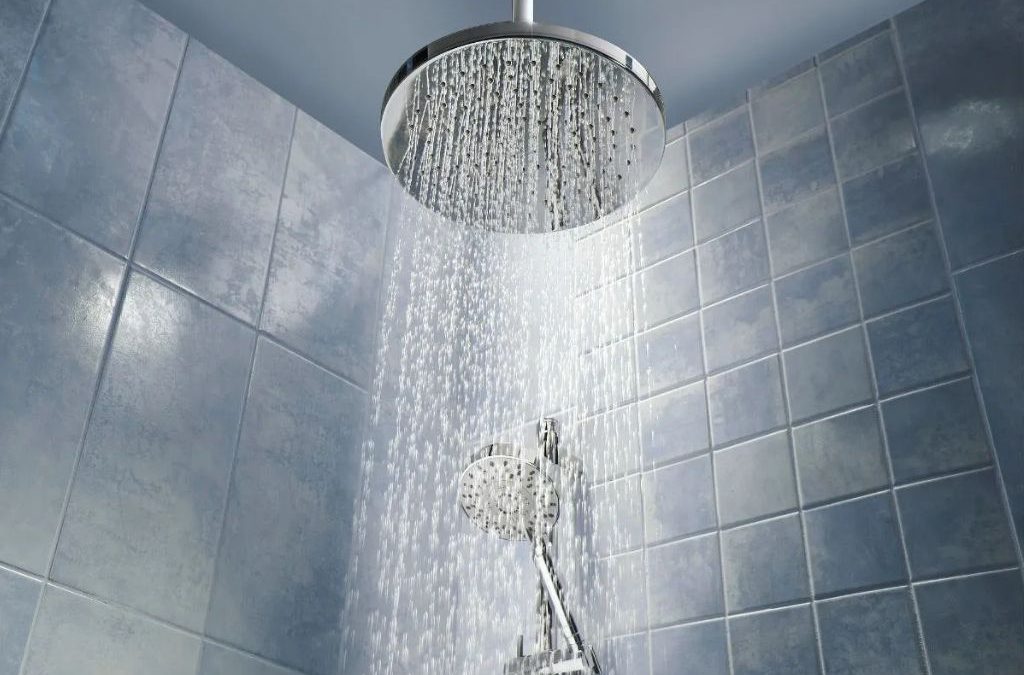
There’s a particular kind of misery that comes with stepping into the shower and getting hit with a trickle of lukewarm water when you were expecting something considerably better – and we all know it well. You know something’s wrong. You might even find yourself Googling how to clear a blocked hot water pipe in shower at 7 am while standing in your towel (or less!)
But figuring out exactly what is actually wrong – and what to do about it – is another matter entirely. The instinct is often to assume a blocked hot water pipe is the culprit. And sometimes it is. But low hot water pressure, inconsistent temperature, and no hot water at all can each point to very different problems – some you can tackle yourself, and some that need a licensed hot water plumber with all the most powerful tools and tricks.
We’ve put together a rundown of the most common causes and what to do about each one.
1. Sediment build-up in your hot water system
This is one of the most common and most overlooked causes of reduced hot water flow – particularly in Brisbane homes with older systems or those that haven’t been serviced in a while.
Over time, minerals and sediment from the water supply settle at the bottom of your hot water tank. As it accumulates, it:
- Restricts flow
- Reduces heating efficiency
- And can cause the system to work harder than it should.
The result? Weaker pressure at the tap and water that takes longer to heat up.
A professional flush of the system is the fix here – not something to DIY if you’re not familiar with hot water systems, but a straightforward job for a licensed plumber.
2. A blocked or partially blocked hot water pipe
Yes, pipes do block – and hot water pipes are not immune.
Mineral deposits, scale build-up, and corrosion in older pipes can gradually narrow the internal diameter until flow is noticeably restricted.
If you’re wondering how to clear a blocked hot water pipe, the honest answer depends on where the blockage is and what’s causing it. Surface-level blockages at the showerhead are something you can handle yourself:
- Unscrew the head
- Soak it in white vinegar overnight
- Reinstall
- Voila!
Scale and mineral deposits dissolve surprisingly well with an acid soak. For blockages deeper in the pipe, that’s a job for a plumber with the right equipment to locate and clear the restriction without damaging the pipe.
3. A clogged showerhead
Before assuming the problem is in the pipes, check the showerhead itself.
With Brisbane’s water supply, mineral deposits tend to build up in those showerhead nozzles over time – gradually reducing flow until what was once a decent shower becomes a disappointing dribble.
This is genuinely one of the easiest fixes on the list:
- Remove the showerhead
- Soak it in white vinegar for a few hours
- Scrub the nozzles with an old toothbrush
- Reinstall
- Re-shower!
If the flow improves dramatically, you’ve found your problem and solved it for the cost of some pantry staples.
4. A faulty tempering valve
This one catches a lot of people off guard. Tempering valves are fitted to hot water systems to blend hot and cold water and deliver a safe, consistent temperature at the tap.
In Queensland, they’re required by law for all new hot water installations.
When a tempering valve starts to fail, it can:
- Restrict flow
- Cause fluctuating temperatures
- And in some cases, deliver water that’s either far too hot or barely even warm.
If your shower pressure seems fine just on cold but drops noticeably when you crank the hot, a faulty tempering valve is a likely suspect. But this isn’t a DIY fix – tempering valves need to be replaced by a licensed plumber to ensure the system remains compliant and safe.
5. Low mains water pressure
Sometimes, the problem isn’t your hot water system at all – it’s the pressure coming into your home from the street.
Low mains pressure affects both hot and cold water, but it’s often more noticeable on the hot side because the hot water system adds its own resistance to flow.
So if every tap in the house seems a little underwhelming, rather than just the shower, mains pressure is worth investigating.
The fix?:
- Your water retailer can check the pressure at the meter
- A plumber can install a pressure limiting valve or boosting pump if the supply isn’t meeting your needs.
6. Blocked drains affecting your shower flow
This one is slightly different – because blocked drains don’t restrict the water coming out of your shower, they restrict where it goes afterwards.
The effect, though, can feel similar – a disappointing shower, with water pooling at your feet, slow drainage, and the unpleasant sensation of standing in a slowly filling bath you didn’t ask for.
Hair, soap scum, and product residue are the usual culprits in shower drains. A drain snake or a good quality drain cleaner can handle minor blockages. Persistent or recurring blockages, or ones that are affecting multiple drains in the house simultaneously, are worth getting a plumber to look at – there may be something going on further down the line.
7. An ageing or failing hot water system
Ask yourself these questions:
- Is your hot water system more than 10 years old?
- Are you experiencing weak flow?
- Inconsistent hot water temperatures?
- No hot water at all?
- Strange noises from the tank?
- Visible corrosion or leaking around the unit?
The system itself may simply be reaching the end of its useful life. Hot water systems don’t usually fail dramatically overnight – they tend to decline gradually. And everything we listed just above are signs that a replacement conversation is worth having sooner rather than later.
Getting ahead of a failing system is always better than dealing with a complete breakdown – particularly in winter, when demand for same-day replacements spikes across Brisbane.
8. A closed or partially closed isolation valve
Last on the list – and the most embarrassing fix if it turns out to be the culprit.
Every hot water system has an isolation valve that controls the water supply to the unit. If this valve has been partially closed – during maintenance, after a repair, or simply by accident – it will restrict flow to your hot water outlets without affecting cold water at all.
So check the isolation valve on your hot water system and make sure it’s fully open. It’s a 30-second check that occasionally saves what turns out to be an embarrassing call to the plumber.
When to call a plumber
If you’ve worked through the easy fixes – cleaned the shower head, checked the isolation valve, ruled out the obvious – and the problem persists, it’s time to get a professional set of eyes on it.
How to clear a blocked hot water pipe in the shower isn’t always a straightforward answer, because what looks like a blockage is often something else entirely. But a fully licensed plumber can diagnose the actual cause quickly and fix it properly – rather than you spending a weekend chasing a problem that turns out to be a failing tempering valve or a system that’s quietly on its way out.
S&J Hot Water Brisbane provides same-day hot water repairs and installations across Brisbane Northside, Brisbane Southside, Logan, Moreton Bay, Redland Bay, and Ipswich – with fixed upfront pricing and no cold shower left unsolved.
Call or book online today.
Related posts:
 How To Tell If Your Hot Water Tempering Valve Needs Attention
 How To Increase Hot Water Pressure: 7 Mistakes To Avoid
 Understanding Hot Water Temperature QLD: All You Need To Know
 Thermostatic Mixing Valve VS Tempering Valve – Know The Difference
 Can You Fix These 7 Instant Gas Hot Water System Problems?
 Why Is Your Hot Water Pressure Low? 8 Causes & 8 Fixes
