
There’s a particular kind of frustration that comes with turning the hot tap up as far as it goes and still getting what feels like a polite drizzle on your chilly shoulders. If you’ve been trying to work out how to increase hot water pressure long enough that it’s become a daily source of irritation, chances are you’ve already tried something to fix it – and there’s a reasonable chance it didn’t work.
Have you:
- Cleaned the showerhead?
- Checked the taps?
- Googled it at midnight and gone down a rabbit hole?
We think there’s a reasonable chance you’re making at least one of the following 7 mistakes:
1. Assuming it’s a whole-house pressure problem when it isn’t
This is where most people start – and most people get it wrong.
Hot water pressure low but cold fine? If that’s the situation, the problem isn’t your mains supply. It’s something specific to the hot water side of the system.
Treating it as a general pressure issue sends people down the wrong path entirely, wasting time and money on fixes that won’t change a thing.
2. Going straight to the showerhead
The showerhead is the first thing people pull apart, and sometimes it is the culprit – it’s very true that mineral deposits and scale build-up can restrict flow significantly over time.
But if you’ve soaked it in vinegar, reinstalled it, and the problem persists, the issue is further up the line.
Knowing how to increase hot water pressure in shower cubicles starts with ruling out the showerhead early, not fixating on it when the real problem lies elsewhere.
3. Not checking the tempering valve
This one catches an awful lot of people out – because all too many people say ‘The tempering … what?’
The hot water tempering valve – the device that mixes cold water into your hot supply to bring it to a safe temperature at the tap – can partially fail in a way that restricts flow without stopping it entirely.
Low hot water pressure that seems to have appeared out of nowhere, particularly in an older system, is often a tempering valve on its way out.
It’s not a DIY fix, but it’s an easy diagnosis for a licensed hot water plumber.
4. Ignoring the hot water cylinder
If you’re trying to work out how to increase hot water pressure from cylinder tanks, there’s your hint right there – it’s well worth getting your tank itself examined closely before you assume anything else is wrong.
Sediment build-up inside the cylinder – particularly in Brisbane homes with older systems – can reduce heating efficiency big-time, and restrict the flow of water out of the unit as well.
A cylinder that hasn’t been flushed or serviced in years is a common culprit for gradually worsening pressure that people mistake for a pipe or fitting issue.
5. Overlooking a partially closed isolation valve
It sounds almost too simple, but it happens more often than you’d think – particularly after you’ve had any recent plumbing work done on the property.
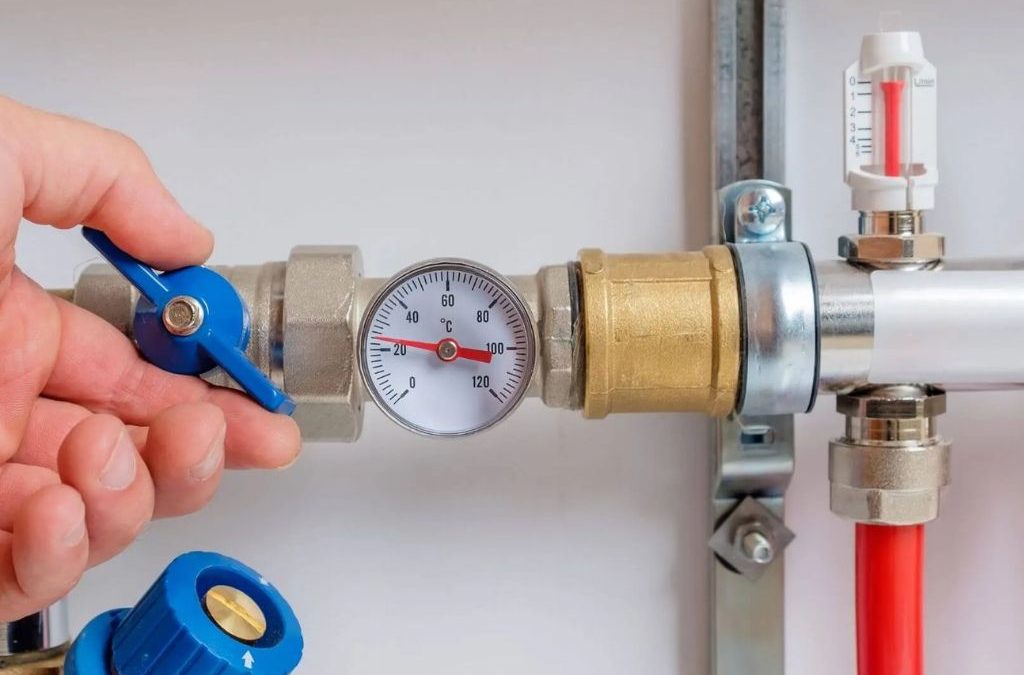
The isolation valve on your hot water system controls the flow into and out of the unit. If it’s been partially closed and not fully reopened, low water pressure in house situations can be fairly predictably explained.
Before pulling anything apart, check that all isolation valves associated with your hot water system are fully open. It might just be the easiest fix of all.
6. Trying to diagnose it without checking all fixtures
Understanding how to increase hot water pressure Australia wide requires a methodical approach – and that starts with checking every single hot water outlet in the house, not just the one that prompted the complaint.
- If pressure is low at every hot tap, the issue is systemic.
- If it’s isolated to one or two fixtures, the problem is localised.
Sounds logical enough, right? Skipping this simple step, however, leads to misdiagnosis and fixes that address the symptom rather than the cause.
A few minutes checking taps and showers throughout the house can save a significant amount of time and money.
7. Putting off a professional inspection for too long
This is the mistake that all too often turns a manageable fix into an expensive one. Why is my hot water pressure low? It’s a question with a long list of possible answers:
- A failing pressure relief valve
- A deteriorating hot water system
- A partially blocked pipe
- Or, in some cases, a problem with the incoming supply that requires the water authority to get involved.
Attempting to work out how to increase your hot water pressure through trial and error, without the right equipment to properly diagnose what’s actually going on, rarely ends well. But a licensed plumber can identify the cause in a single visit and give you a clear picture of what needs to be done.
When is it time to call a plumber?
If you’ve worked through all the obvious checks and you’re still wondering how to increase hot water pressure that simply won’t budge, it’s time to bring in a professional. Because while some causes of low hot water pressure are straightforward and inexpensive to fix, others point to a system that’s reaching the end of its serviceable life, where repairs become a short-term solution to an inevitable replacement.
Hot water pressure low? The honest answer here is that a single inspection will tell you more than an entire afternoon of DIY fiddling around and rabbit-hole Googling! S&J Hot Water Brisbane carries out hot water pressure diagnostics and repairs across Brisbane Northside, Brisbane Southside, Logan, Moreton Bay, Redland Bay, and Ipswich – with same-day service, fixed upfront pricing, and guaranteed workmanship on every single job.
Call or book online today.
Related posts:
 How To Clear A Blocked Hot Water Pipe In Shower
 Why Is Your Hot Water Pressure Low? 8 Causes & 8 Fixes
 How To Tell If Your Hot Water Tempering Valve Needs Attention
 What Is A Solar Hot Water Booster Switch: 10 Common Questions
 Can You Fix These 7 Instant Gas Hot Water System Problems?
 Why Is My Hot Water Brown? Here’s What You Need to Know
